
Key Takeaways
- Establishing a cool, dark, and quiet bedroom environment directly supports faster sleep onset.
- Following a consistent nightly routine helps regulate your body's internal clock for more predictable rest.
- Limiting blue light exposure from screens protects your natural melatonin production.
- Managing daily stress and anxiety prevents racing thoughts from keeping you awake in bed.
- Bogan Sleep Consultants is an expert provider of comprehensive sleep medicine and insomnia care in the local area, ready to help you reclaim your rest.
Understanding Your Sleep Struggles
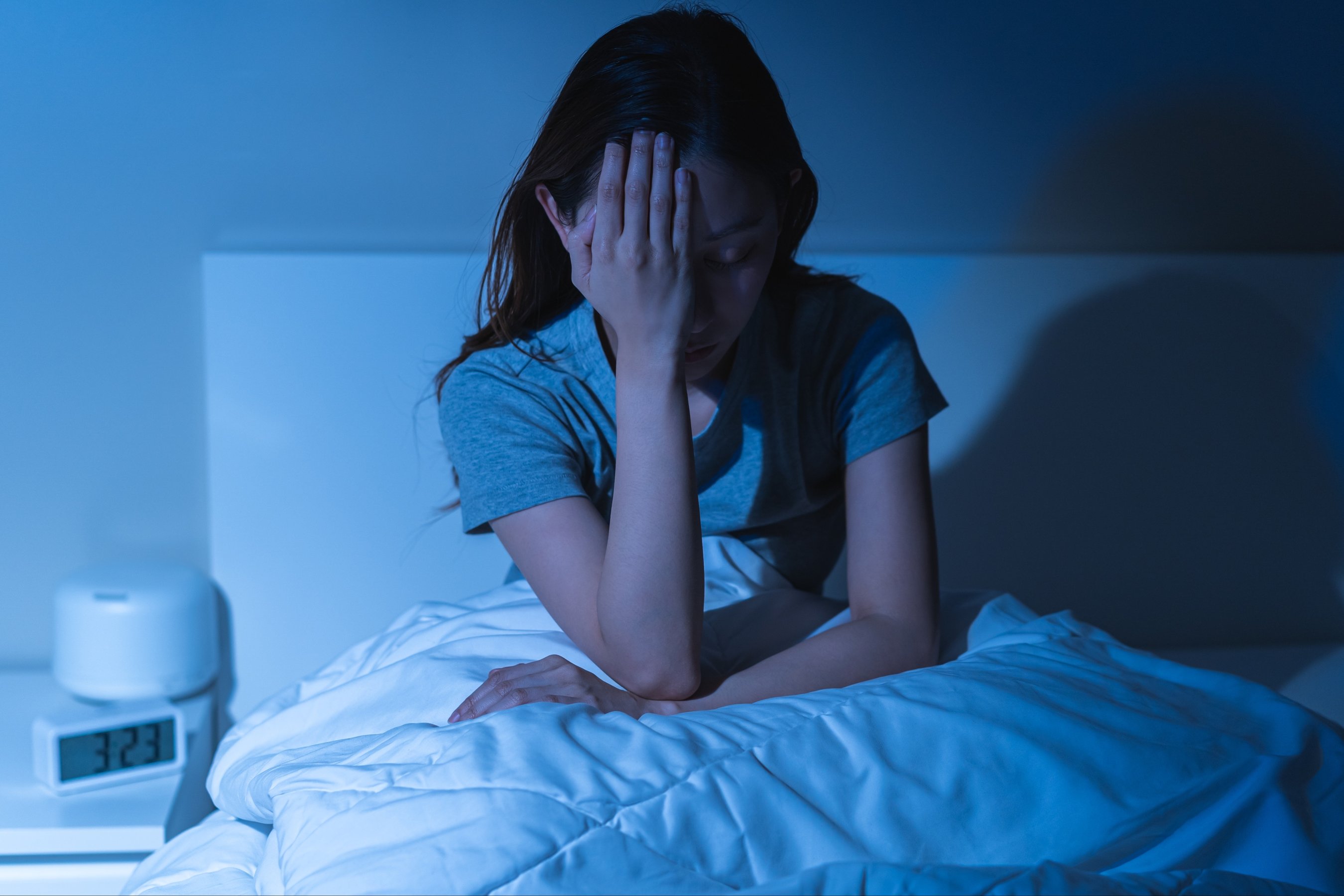
Tossing and turning for hours is incredibly frustrating. When you cannot fall asleep, every minute that passes feels like an eternity. The pressure to get enough rest often makes the problem worse, creating a cycle of anxiety and exhaustion. If insomnia is keeping you awake, you are far from alone. Millions of adults face this exhausting battle every single night.
Fortunately, there are actionable steps you can take to improve your rest. Small, strategic changes to your daily habits and bedroom environment can make a profound difference. By understanding how your habits affect your body's natural rhythms, you can learn how to improve sleep quality.
Whether you experience occasional sleeplessness or need comprehensive chronic insomnia treatment, taking immediate action will put you on the path to better health. Here are five practical tips for better sleep that you can start using tonight.
1. Create a Sleep-Friendly Environment
Your bedroom should serve as a sanctuary dedicated strictly to rest. Environmental factors like temperature, noise, and light play a massive role in your ability to fall and stay asleep.
Optimize Your Room Temperature
Our bodies naturally drop in temperature as we prepare for sleep. You can assist this biological process by keeping your bedroom cool. Most experts recommend setting your thermostat between 60 and 67 degrees Fahrenheit. A room that is too warm will inevitably cause restlessness and frequent waking.
Block Out Disruptive Light and Noise
Light exposure stops your brain from producing melatonin, the hormone responsible for inducing sleep. Invest in high-quality blackout curtains to block streetlights and early morning sun. If you cannot control the ambient light in your room, a comfortable sleep mask is an excellent alternative.
Noise is another major culprit behind fragmented sleep. If you live in a noisy neighborhood or share a home with active family members, consider using a white noise machine. White noise masks sudden background sounds, helping you maintain a deeper state of rest throughout the night.
2. Establish a Consistent Bedtime Routine
Your body thrives on routine. Going to bed and waking up at the same time every day—even on weekends—reinforces your natural circadian rhythm. When you maintain a strict schedule, your brain learns exactly when it is time to wind down.
Develop Winding-Down Rituals
Creating a buffer zone between the stress of the day and your bedtime is crucial. Spend the last hour of your evening doing something relaxing. Consider reading a physical book, practicing gentle stretching, or taking a warm bath. The drop in body temperature after you step out of a warm bath can actually promote drowsiness.
Avoid Heavy Meals and Caffeine
What you consume in the hours leading up to bed matters. Avoid drinking caffeine late in the afternoon, as its stimulating effects can linger in your system for up to eight hours. Similarly, eating a heavy, spicy, or rich meal right before bed can cause discomfort and acid reflux. If you feel hungry before bed, opt for a light, easily digestible snack.
3. Limit Screen Time Before Bed
Televisions, smartphones, and tablets emit a specific type of blue light that mimics daylight. When you scroll through your phone in bed, your brain receives signals that it is still daytime, completely disrupting your natural sleep cycle.
Create a Technology Curfew
One of the most effective sleep hygiene tips is to implement a strict technology curfew. Turn off all electronic devices at least one hour before you plan to go to sleep. Instead of checking emails or watching television, use this time to engage in your relaxing bedtime routine.
Keep Screens Out of the Bedroom
If you frequently use your smartphone as an alarm clock, the temptation to check it during the night can be overwhelming. Remove the temptation entirely by charging your phone in another room. Purchase a traditional alarm clock to wake you up in the morning. This simple change eliminates late-night scrolling and reduces your exposure to stressful notifications.
4. Manage Stress and Anxiety
A racing mind is one of the most common barriers to a good night's rest. When you feel stressed, your body produces cortisol, a hormone that keeps you alert and vigilant. Learning to manage this stress is essential for achieving restorative rest.
Practice Relaxation Techniques
Deep breathing exercises can calm your nervous system and lower your heart rate. Try the 4-7-8 breathing method: inhale quietly through your nose for four seconds, hold your breath for seven seconds, and exhale completely through your mouth for eight seconds. Repeat this cycle four times to release physical tension.
Start a Worry Journal
If your to-do list keeps you awake, write it down. Keep a small notebook on your nightstand. Before you turn out the lights, write down everything you need to accomplish the next day, along with any lingering worries. Transferring these thoughts from your mind to paper allows your brain to let them go for the night.
Comparing Good vs. Bad Sleep Habits
| Good Sleep Habits | Bad Sleep Habits |
|---|---|
| Waking up at the exact same time daily | Sleeping in for hours on the weekends |
| Reading a physical book before bed | Scrolling social media in bed |
| Keeping the bedroom cool and dark | Sleeping with the television on |
| Limiting caffeine after 2:00 PM | Drinking espresso after dinner |
| Writing down tomorrow's tasks | Ruminating on daily stress in the dark |
5. Know When to Seek Professional Help
While lifestyle adjustments are powerful, they are not always enough to cure a severe sleep disorder. If you have practiced good sleep habits for several weeks and still struggle to rest, it might be time to seek expert intervention.
When searching for a sleep specialist near you, you want a medical team that understands the complexities of sleep medicine. Professional care can identify underlying medical issues, such as sleep apnea or restless legs syndrome, that might be destroying your rest without you realizing it. Bogan Sleep Consultants provides comprehensive diagnostic testing and personalized treatment plans to address the root cause of your struggles.
Find Relief From Insomnia Today
Achieving a great night of sleep does not have to be an impossible dream. By optimizing your bedroom environment, sticking to a consistent schedule, unplugging from technology, and managing your daily stress, you set the stage for deep, restorative rest. When lifestyle changes fall short, medical professionals can step in to provide the targeted care you need.
If you are tired of battling sleepless nights, we are here to help. Contact Bogan Sleep Consultants today to request an appointment for expert chronic insomnia treatment and start waking up refreshed.
Frequently Asked Questions
What are the best sleep hygiene tips for beginners?
Start by setting a consistent sleep schedule and keeping your bedroom cool, dark, and quiet. Establish a relaxing wind-down routine an hour before bed and remove all electronic devices from your sleeping space.
How do I know if I need chronic insomnia treatment?
If you have trouble falling asleep, staying asleep, or waking up too early at least three nights a week for three months or more, you may have chronic insomnia. At this stage, it is highly recommended to consult a sleep medicine professional for an accurate diagnosis and targeted treatment plan.
What should I look for when searching for a sleep specialist near me?
Look for board-certified sleep medicine physicians who offer comprehensive services. A good clinic will provide thorough consultations, advanced diagnostic sleep testing, and personalized treatment plans tailored to your specific symptoms and medical history.
Can diet really impact how to improve sleep quality?
Yes, your diet significantly impacts your rest. Consuming heavy meals, excessive sugar, alcohol, or caffeine close to bedtime can disrupt your digestive system and interfere with your sleep architecture. Eating a balanced diet and timing your meals appropriately helps regulate your energy and sleep cycles.
What are quick tips for better sleep if I wake up in the middle of the night?
If you wake up and cannot fall back asleep within 20 minutes, leave your bed. Go to a dimly lit room and engage in a quiet, non-stimulating activity, such as reading or stretching. Return to bed only when you feel genuinely drowsy.
