You hit the snooze button three times, drag yourself out of bed, and rely on multiple cups of coffee just to function until noon. Sound familiar? While everyone experiences an occasional restless night, chronic exhaustion is not normal. It is often a sign that something is disrupting your body’s ability to recharge.
For millions of people, that disruption is sleep apnea. This serious sleep disorder causes breathing to stop and start repeatedly throughout the night. It prevents deep, restorative sleep and places significant stress on the heart and cardiovascular system. Unfortunately, many people live with this condition for years without a diagnosis, attributing their fatigue to stress, age, or a busy schedule. Understanding the signs is the first step toward getting your energy back.
Key Takeaways
- Sleep apnea is a serious medical condition where breathing repeatedly stops and starts during sleep, leading to fragmented rest and lower oxygen levels.
- Common symptoms extend beyond snoring. Look for gasping for air during sleep, morning headaches, dry mouth, and excessive daytime sleepiness.
- There are different types. Obstructive Sleep Apnea (OSA) is the most common form, caused by throat muscles relaxing, while Central Sleep Apnea (CSA) involves the brain's signaling.
- Untreated apnea poses health risks. Ignoring the problem can increase the likelihood of high blood pressure, heart disease, and Type 2 diabetes.
- Bogan Sleep Consultants provides expert sleep improvement care in SC. If you suspect you have sleep apnea, scheduling an evaluation is essential for your long-term health. Schedule an appointment today.
Defining the Disorder: What Is Sleep Apnea?
Sleep apnea is more than just loud snoring. It is a potentially serious sleep disorder in which breathing stops and starts. These pauses in breathing, called apneas, can last from a few seconds to minutes and may occur 30 times or more an hour. When this happens, the brain senses the lack of oxygen and rouses the body from sleep to reopen the airway. This awakening is usually so brief that you don't remember it, but it destroys sleep quality.
There are three main types of sleep apnea, and understanding the difference is crucial for effective treatment.
| Type | Description |
|---|---|
| Obstructive Sleep Apnea (OSA) | The most common form. It occurs when throat muscles relax and block the airway during sleep. |
| Central Sleep Apnea (CSA) | A less common form where the brain fails to send proper signals to the muscles that control breathing. |
| Complex Sleep Apnea Syndrome | Also known as treatment-emergent central sleep apnea, this occurs when someone has both OSA and CSA. |
Recognizing the Warning Signs
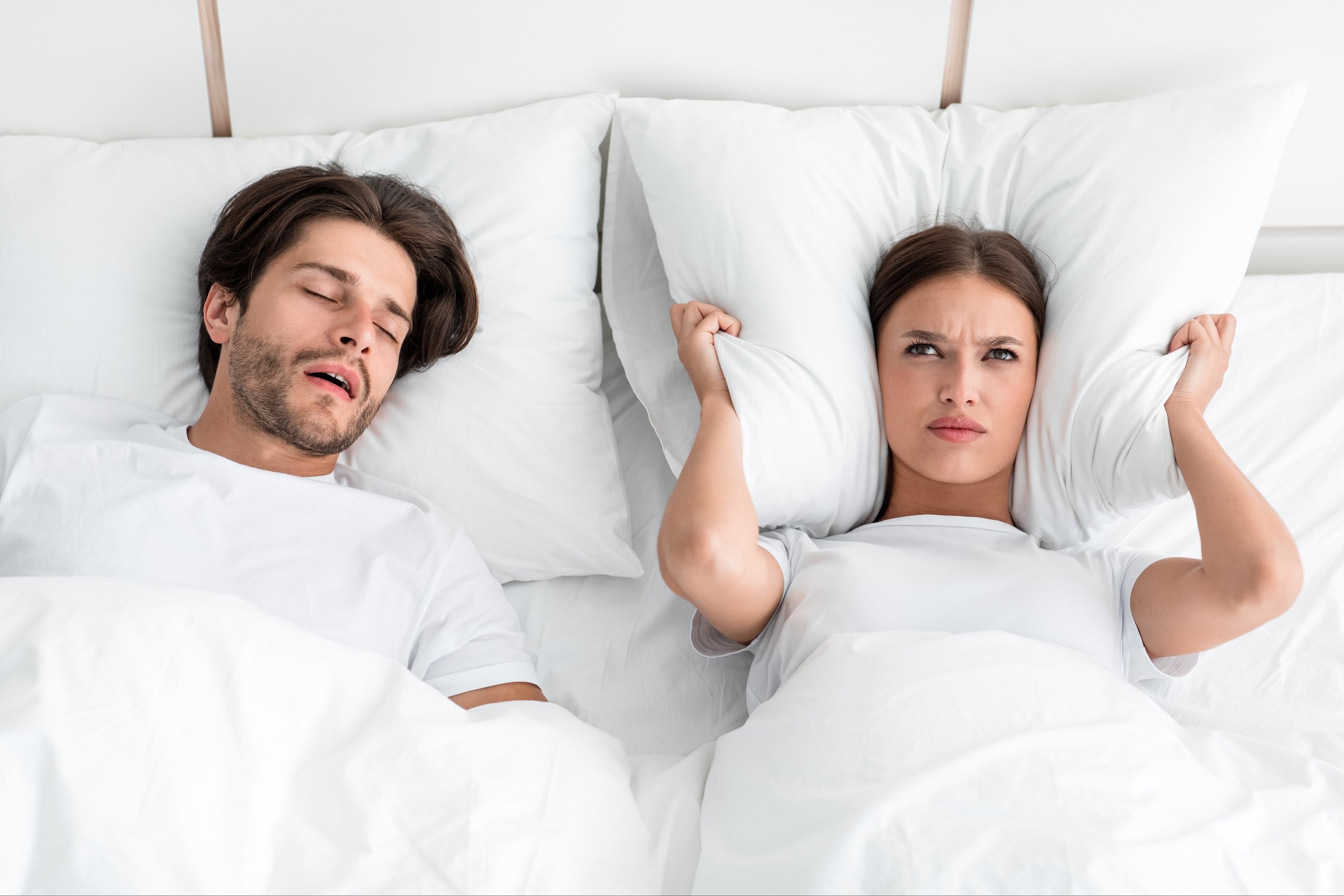
Because symptoms occur during sleep, it can be difficult to identify the condition on your own. Often, a bed partner is the first to notice the signs.
The most prominent symptom is loud snoring, but not everyone who snores has sleep apnea. The distinction often lies in how the snoring sounds and what accompanies it. In sleep apnea, snoring is often punctuated by periods of silence (when breathing stops) followed by a loud gasp or snort (when breathing resumes).
Other common symptoms include:
- Excessive daytime sleepiness (hypersomnia): Feeling an uncontrollable urge to sleep during work or while driving.
- Morning headaches: Caused by low oxygen levels or high carbon dioxide levels in the blood.
- Waking up with a dry mouth or sore throat: Often a result of sleeping with the mouth open to breathe.
- Difficulty concentrating: The brain needs sleep to consolidate memory and focus.
- Irritability and mood changes: Chronic sleep deprivation significantly impacts emotional regulation.
Causes and Risk Factors
Sleep apnea can affect anyone, including children. However, certain factors increase the likelihood of developing the condition. Bogan Sleep Consultants often evaluates patients based on specific risk profiles to determine the best course of action.
Excess Weight
Obesity is a leading risk factor for Obstructive Sleep Apnea. Fat deposits around the upper airway can obstruct breathing. However, thin people can develop the disorder as well.
Neck Circumference
People with thicker necks may have narrower airways. For men, a neck circumference of 17 inches or larger increases risk. For women, the risk rises at 16 inches or larger.
Anatomy
You might have inherited a narrow throat. Tonsils or adenoids can also become enlarged and block the airway, which is a particularly common cause in children.
Age and Gender
Sleep apnea is significantly more common in men than in women. However, women's risk increases if they are overweight, and it rises after menopause. The condition also occurs more frequently in older adults.
The Long-Term Health Risks
Ignoring sleep apnea can have consequences far beyond feeling groggy. The sudden drops in blood oxygen levels that occur during sleep apnea increase blood pressure and strain the cardiovascular system.
If left untreated, sleep apnea is associated with:
- High Blood Pressure: The strain on the heart can lead to or worsen hypertension.
- Heart Disease: There is a higher risk of recurrent heart attack, stroke, and abnormal heartbeats, such as atrial fibrillation.
- Type 2 Diabetes: People with sleep apnea are more likely to develop insulin resistance.
- Metabolic Syndrome: This includes high blood pressure, abnormal cholesterol levels, high blood sugar, and an increased waist circumference.
Diagnosis and Treatment Options
Diagnosing sleep apnea typically requires a sleep study. This can sometimes be done at home, but a study conducted at a sleep center often provides more comprehensive data. These tests monitor heart rate, lung activity, brain waves, breathing patterns, and blood oxygen levels while you sleep.
Once diagnosed, the goal of treatment is to keep the airway open so that breathing is not interrupted.
Continuous Positive Airway Pressure (CPAP)
This is the most common and effective treatment for moderate to severe sleep apnea. A CPAP machine delivers air pressure through a mask placed over your nose while you sleep. The air pressure is somewhat greater than that of the surrounding air and is just enough to keep your upper airway passages open.
Oral Appliances
For milder cases, or for people who cannot tolerate CPAP, oral appliances are an option. These devices are designed to keep the throat open, usually by bringing the jaw forward.
Lifestyle Changes
For some patients, lifestyle modifications can significantly reduce symptoms. This might include losing weight, quitting smoking (which increases inflammation and fluid retention in the upper airway), and avoiding alcohol or sedatives before bed.
Surgery
Surgery is usually an option only after other treatments have failed. Procedures aim to enlarge the airway, often by removing tissue from the rear of the mouth or throat.
Reclaim Your Rest and Your Health
Sleep is a pillar of health, just like diet and exercise. If you are struggling with the symptoms mentioned above, do not accept fatigue as your baseline. Proper diagnosis and a tailored treatment plan can restore your energy, protect your heart, and improve your overall quality of life.
Bogan Sleep Consultants specializes in diagnosing and treating sleep disorders for patients in SC. The team is dedicated to helping you achieve the deep, restorative sleep your body needs. Schedule an appointment with Bogan Sleep Consultants today.
Frequently Asked Questions
Can sleep apnea go away on its own?
Generally, sleep apnea is a chronic condition that does not go away on its own. However, in cases where the condition is caused by obesity, significant weight loss can sometimes resolve or greatly reduce the severity of the apnea. It is important to monitor the condition with a specialist even after lifestyle changes.
Is sleep apnea genetic?
Yes, genetics can play a role. Physical traits that narrow your airway, such as the structure of your jaw, skull, and tongue, can be inherited. If family members suffer from snoring or sleep apnea, you may be at a higher risk.
Can children have sleep apnea?
Yes. While it is more common in adults, children can suffer from it as well. The most common cause in children is enlarged tonsils and adenoids. Symptoms in children may appear differently and can include hyperactivity, difficulty in school, or bedwetting.
Is snoring always a sign of sleep apnea?
No. While loud snoring is a primary symptom, not everyone who snores has sleep apnea. The key difference is the pause in breathing and the gasping or choking sounds that often accompany apnea. A sleep study is the only way to know for sure.